
Why Preview Access, Paid Access, and Member-Only Access Show Different Content
Digital publishing services can show different versions of the same article, video, course, or post according to the visitor’s account status. A guest may receive a preview, a customer may unlock one item, and a subscriber may access content included in a particular membership tier.
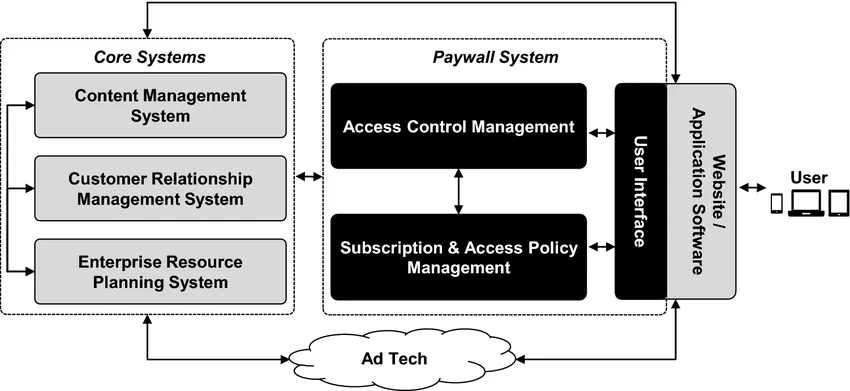
Secure access is not created by a blur effect alone. The service should check identity, payment status, membership level, and product entitlements before returning protected text, files, or media links. OWASP advises that authorization decisions must be enforced on the server or another trusted back-end layer rather than through client-side controls that users can bypass.
Why Do Preview Access, Paid Access, and Member-Only Access Display Different Content?
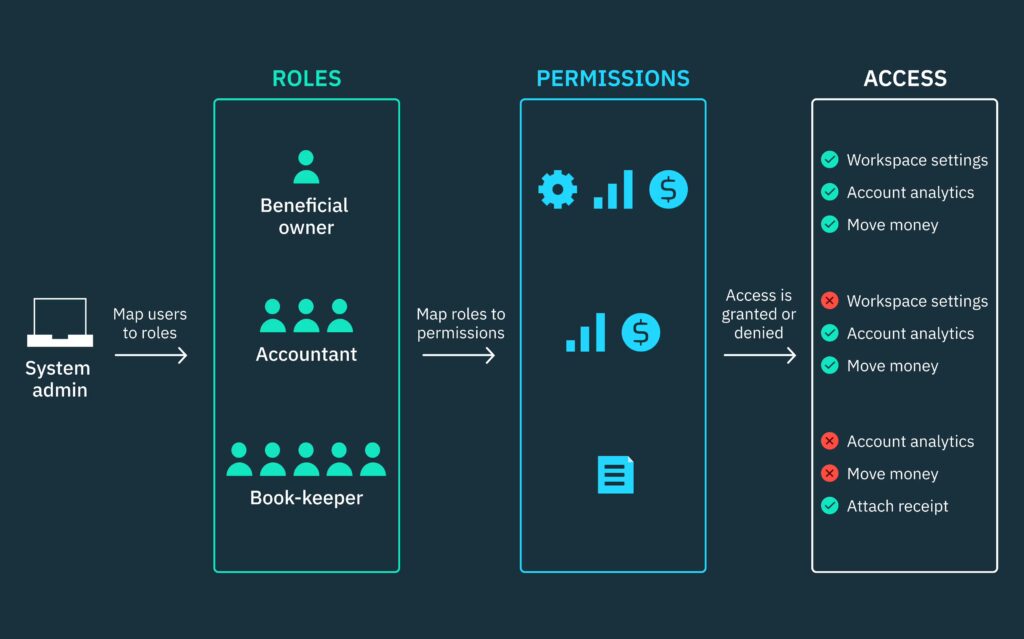
Authentication identifies the user. Authorization determines what that user may open. Platforms may combine roles, subscriptions, one-time purchases, expiration dates, and other rules. NIST defines role-based access control as assigning permissions through roles, but commercial platforms often need item-level entitlement checks as well.
Authentication & Authorization Mechanics: The server checks a session, token, or signed-in account, then compares it with the access rules attached to the requested content.
Server-Side Payload Filtering:
For Guest Users: The response may contain a public excerpt, thumbnail, trailer, or locked-post description rather than the protected body.
For Paid / Member Users: The system verifies a completed purchase or active membership and returns the authorized resource. It does not necessarily “decrypt the full payload” on every request.
Personalized UI Rendering: The page then displays the appropriate action, such as “Buy,” “Join,” “Upgrade,” or “Continue.” Patreon supports public, free-member, paid-member, and tier-specific post access, while YouTube can restrict videos or live streams to members or selected membership levels.
Key Differences Between Preview Access, Paid Access, and Member-Only Access
| Comparison Criteria | Preview Access | Paid Access | Member-Only Access |
|---|---|---|---|
| Primary Objective | Let users evaluate the work | Sell one item or collection | Provide recurring member benefits |
| Payment Model | Free, account-gated, or trial-based | Usually a one-time purchase | Usually a recurring payment |
| Content Scope | Excerpt, trailer, sample, or trial | The purchased item or collection | Material included in the current tier |
| Access Duration | May remain open or expire | May be ongoing or time-limited | Commonly lasts while membership remains valid |
Patreon, for example, allows users to buy selected digital products, posts, and collections without starting a recurring membership. Purchased items remain associated with the buyer’s account under Patreon’s current product rules.
How User Roles and Membership Levels Differ in System Administration
User Roles: Roles control software capabilities. WordPress includes Administrator, Editor, Author, Contributor, and Subscriber roles, each with different permissions. The Subscriber role does not automatically mean the person has purchased a content subscription.
Membership Levels (Tiers): Tiers define commercial access. Examples may include:
Tier 1 (Bronze/Silver): Selected articles or newsletters.
Tier 2 (Gold/VIP): A larger video, article, or download library.
Tier 3 (Platinum/Patron): Additional community access or scheduled sessions.
An account can hold a basic software role and a separate paid tier. Giving customers an administrative CMS role merely to unlock content creates unnecessary security risk.
Mechanics and Display Techniques of Preview Access Across Platforms
Fade / Blur Paywall: A page may display the introduction and place a paywall at a defined point. The server should withhold the protected section rather than send the full article and cover it with an overlay. Google also recommends using an implementation that does not supply paywalled content to the browser when the publisher does not want that material delivered before authorization.
Freemium Chapter Model: A publisher may open selected chapters, episodes, or posts before locking later material. There is no universal requirement to provide the first three to five installments.
SEO Optimization via Schema Markup (isAccessibleForFree): Google supports structured data for subscription and paywalled content. It helps Google distinguish a legitimate paywall from cloaking, but it does not guarantee indexing or rankings. The declared CSS selector must match the paywalled section.
{
  "@context": "https://schema.org",
  "@type": "NewsArticle",
  "headline": "Financial Market Outlook Analysis 2026",
  "isAccessibleForFree": false,
  "hasPart": {
    "@type": "WebPageElement",
    "isAccessibleForFree": false,
    "cssSelector": ".paid-content-body"
  }
}
Display Mechanics for Paid Access and Unlocking Exclusive Content
Micro-transaction Lock UI: Show the exact item, price, access period, refund terms, and whether it is already included in a membership.
Entitlement Check: After payment, the platform records that the account may access the item. Patreon’s one-time purchase system tracks purchase history and payment status and lets eligible buyers retrieve purchases through their accounts.
Renting Window: Timed access may begin at purchase, first playback, or another event defined by the provider. A one-time payment should not automatically be described as lifetime ownership.
Member-Only Access Display Mechanics on Public Feeds and Notifications
Membership content may be available to all paying members or only selected levels. Patreon and YouTube both support tier- or level-specific access.
1. On Public Feeds & Channel Tabs
Non-Members: They may see a title, thumbnail, excerpt, lock label, or membership offer. The exact preview depends on the platform and creator settings.
Qualifying Members: They receive the content and perks assigned to their level. YouTube perks may include members-only posts, videos, badges, emoji, and live streams. Membership does not inherently provide 4K playback, private comments, or access to an entire archive.
Access differences are not always caused by payment status. Country-level availability and local access rules can create a separate restriction even for paying users. Readers comparing that issue can refer to How Country-Specific Regulations and the Korean Access Environment Affect Available Content on Overseas Adult Media Services.
2. Via Email Notifications and RSS Feeds
Substack can send free subscribers a preview of a paid post while reserving the complete version for eligible paid readers. It also supports free previews for paid podcast or video posts.
RSS behavior varies by platform. Publishers should test public feeds, paid feeds, emails, and app notifications rather than assume that each system handles locked content identically.
Strategic Hybrid Content Distribution Models for Maximum Revenue and UX
A hybrid model can combine public discovery, one-time purchases, and recurring memberships.
            [ POTENTIAL AUDIENCE FUNNEL ]
                          │
                          ▼
        ┌─────────────────────────────────────┐
        │ Free & Preview Access               │
        └──────────────────┬──────────────────┘
                           ▼
        ┌─────────────────────────────────────┐
        │ Paid Access                         │
        └──────────────────┬──────────────────┘
                           ▼
        ┌─────────────────────────────────────┐
        │ Member-Only Access                  │
        └─────────────────────────────────────┘
The 70 – 20 – 10 Rule:
The 70-20-10 split is a planning example, not a platform standard or proven optimum.
70% Free / Preview Content: Supports discovery, sharing, and audience evaluation.
20% Paid Access: Fits standalone products that do not require ongoing membership.
10% Member-Only Access: Fits benefits that can be delivered consistently to recurring supporters.
A course business, newsletter, and creator community may require completely different proportions.
Transparent Paywall Messaging: State what is included, which tier is required, whether access expires, and whether another payment is necessary. Patreon and YouTube both permit creators to limit eligible material to particular tiers or membership levels.
Offer Frictionless Free Trials: Trials can reduce uncertainty but are not always the best choice. Substack currently supports a seven-day trial on eligible post paywalls; other platforms use different periods or may not offer trials.
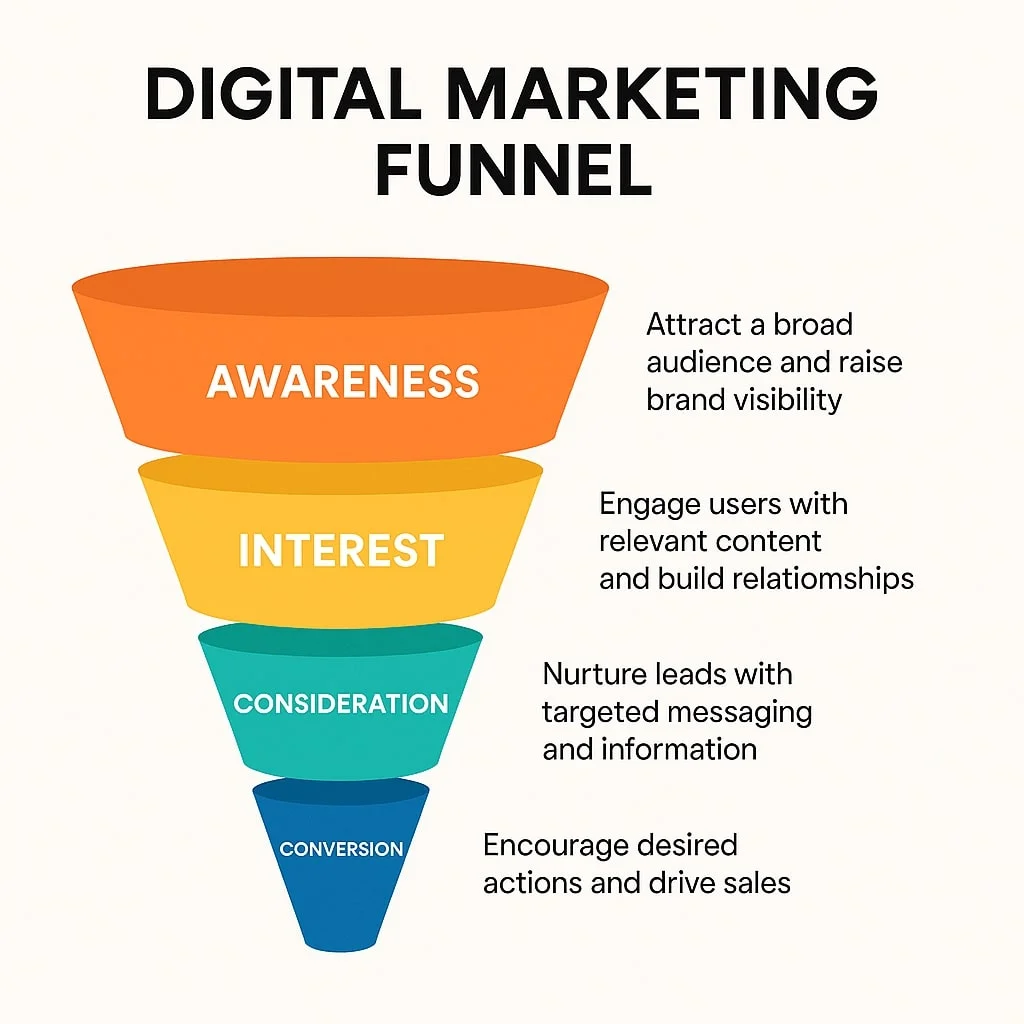
Preview access demonstrates value without granting the complete resource. Paid access unlocks a defined item or collection. Member-only access provides the benefits assigned to an active tier. RBAC can manage software permissions, but publishing platforms also need purchase records, tier rules, expiration dates, and item-level entitlements.
Document what guests can see, what each purchase unlocks, which tiers receive each item, how long access lasts, and what happens after cancellation. Protect restricted content on the server, use accurate paywall structured data where relevant, and test the experience while signed out, after a one-time purchase, and at every membership level. Clear access rules are more valuable than decorative blur effects or a complicated tier system.